
Browsing the Oopbuy Spreadsheet with the second payment in mind
Two items at the same price can cost very different amounts to move. That difference is visible in the catalogue, before any of it is committed.
Sixteen categories. The note on each tile is how that category behaves as freight rather than as a purchase.
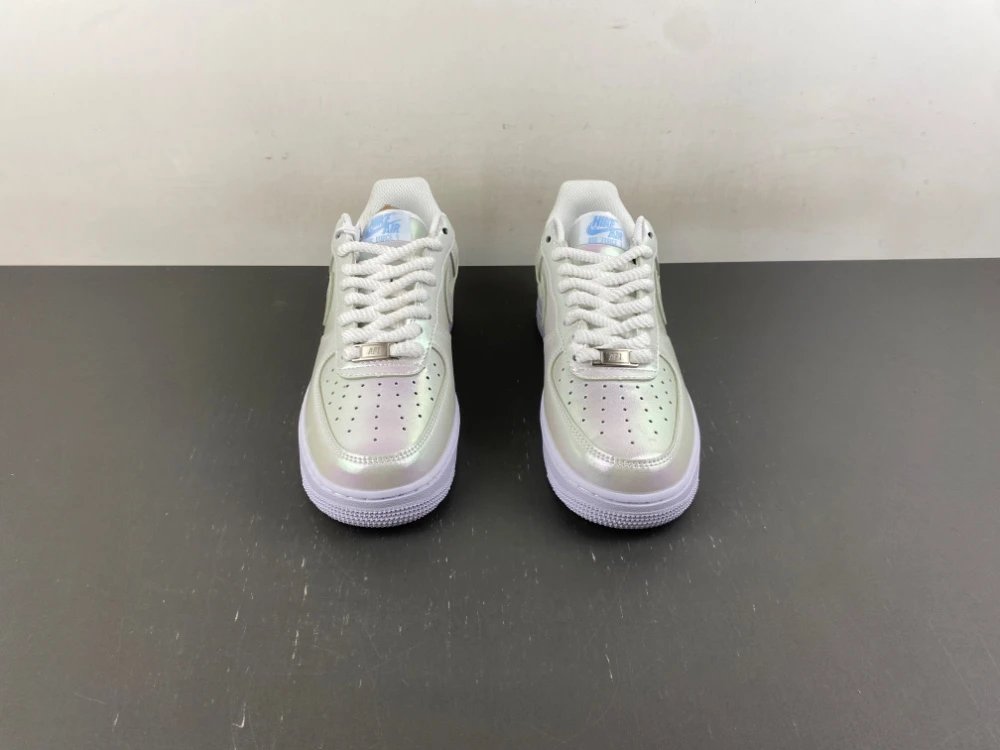
SneakersCheck the size chart and sole length 
JacketsConfirm lining and actual measurements 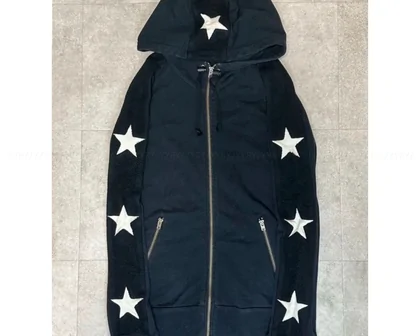
HoodiesCompare fabric and fit 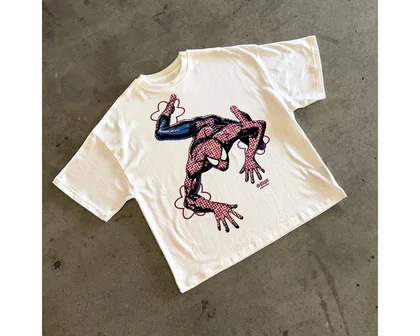
TeesCheck the print and size chart 
JeansRead waist and leg measurements 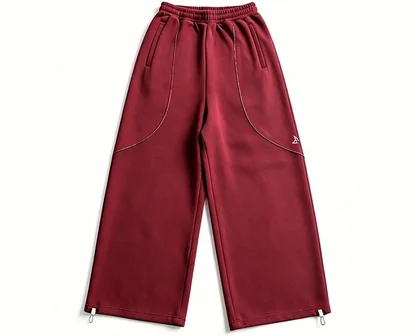
JoggersCheck the cut and fabric 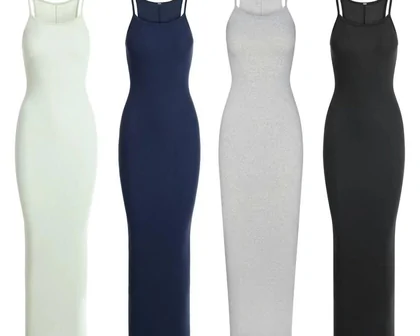
WomenswearCompare garment measurements 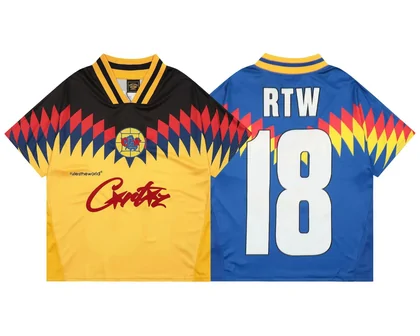
Football shirtsChoose the correct season and version 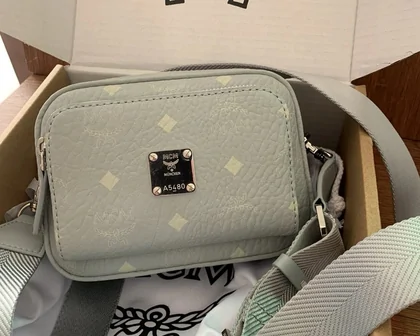
BagsConfirm dimensions and included strap 
CapsCheck circumference and adjustment 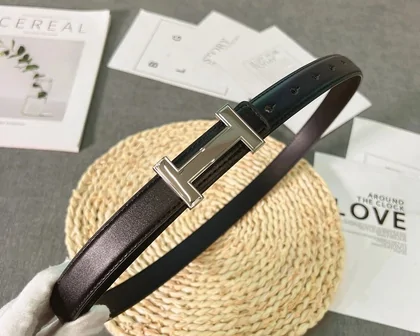
BeltsCheck length and buckle options 
EyewearConfirm frame and lens details 
FragranceCheck shipment restrictions first 
JewelleryCheck material and dimensions 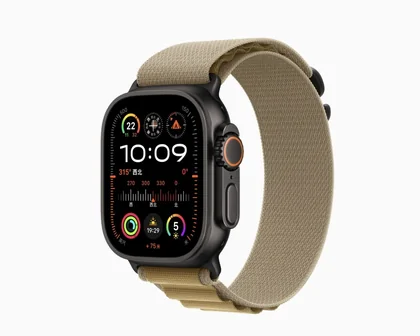
WatchesConfirm model and battery restrictions 
ElectronicsCheck model and route restrictions
Two listings, one obvious choice, and it is not the cheap one
| Listing A | Listing B | |
|---|---|---|
| Item price | Lower | Higher |
| What it is | Dense and rigid, ships in its own box | Soft, compresses once the box is removed |
| Settled at payment one | Lower | Higher |
| Open at payment two | Larger, on both weight and volume | Smaller on both |
| Which is knowable now | Both are knowable now | Both are knowable now |
Why this guide bothers with any of it: the ordering above is free to work out and almost nobody does, because the catalogue is read as a shop rather than as a freight manifest.
Nothing above requires an estimator. It requires noticing that the catalogue is also a freight catalogue, and that a category note is sometimes worth more than a price.
What to read on a listing before ordering
Stated weight, where the shop gives one
Many do, in the specification block. It is approximate and it is still better than nothing, since the warehouse figure will land near it.
Whether it has a rigid box
The published repacking handling removes the courier box, but a product box inside usually survives, and that box is volume you will pay for.
How many shops the basket spans
Domestic freight is charged per shop. Four shops means four of those, settled at payment one.
Whether the thing is restricted
Batteries, liquids and powders narrow the route list before price is even considered, so the lowest-priced line may not be available to you at all.
How to spot a seller who answers messages
A shop that replies before you buy is usually the one that replies when a measurement needs confirming. The published service standards make this concrete: when the seller has to be consulted and is not online, processing time is extended accordingly.
- Several live listings rather than one, since restocks appear under new item numbers
- Recent reviews carrying photographs, which also give you a sense of the packaging
- A specification block with numbers in it rather than a size chart image
- Note the shop name beside the address, because the question later is for the shop
How to judge a Spreadsheet site before you rely on it
| Question | How to answer it | This site |
|---|---|---|
| Do the outbound links still work | Open three at random | All were fetched and answered 200 before publication |
| Where did a figure come from | Look for a source in the same sentence | Notice id and read date, inline |
| How old is the oldest statement | A per-claim date beats a site-wide timestamp | Each one dated; the set ships as a file |
| Are there freight numbers on it | Ask whether any of them could still hold today | None, by design |
Why choose this Oopbuy Spreadsheet?
It combines pictorial categories with practical buying and shipping guidance. A shortlist is only useful when you know which variant you want, what the seller promises and what remains to be paid after the purchase.
Use the buying guide for the sequence and the stage ledger for questions to ask at each step. The catalogue does not verify a seller’s quality, authenticity or stock on your behalf.
How to use these product links
- Browse a category or enter an item name in search.
- Compare the current listing, measurements and seller terms.
- Keep the original product URL and confirm the variant in Oopbuy.
- Estimate shipping before purchase, then check QC and the final parcel quote later.